A connected continuum of care — from the street to a career.
Each program below is a distinct, fundable initiative. Together they form a single mission: stabilize a person’s health, surround them with support, and open a door to lasting opportunity — whether they were born down the block or just arrived in this country.
Skid Row Wraparound Care Model
Future Hope Outreach Foundation serves the homeless and underserved population of Los Angeles County on the streets of Skid Row in downtown Los Angeles. Our pharmacist works directly on the streets — vaccinating patients and providing other healthcare services on-site — two days a week, four hours a day.
Around that street presence, we’ve built a wraparound care model in partnership with street medical teams, permanent supportive housing sites, mental health programs, substance-use and MAT providers, HIV-prevention programs, and re-entry service organizations.
That model is under growing strain. As uninsured populations rise and Medi-Cal disenrollment accelerates, more patients fall through the cracks — widening a funding gap precisely where the need is most acute.
- Skid Row
- On-site, downtown LA
- 2 days
- Per week on the streets
- 4 hours
- Per day of direct care

What the model delivers
Seven coordinated service areas keep patients connected to care even when they lack housing, transportation, or insurance.
Street Medicine Delivery
Partner pharmacy for street medical teams serving people experiencing homelessness in and around Skid Row — delivering medications directly to patients who lack transportation or cannot afford them.
Mental Health Program Partnerships
Close partnerships that address the high prevalence of mental illness in the Skid Row area, coordinating medication access with behavioral health teams.
Re-Entry & Diversion Wraparound Care
Partnership with Special Service for Groups (SSG) and diversion / re-entry programs — keeping justice-involved patients housed and out of jail or the hospital system.
Adherence Programs
Coordinated with nursing staff and housing-site teams to prevent care gaps for patients living in supportive housing.
SUD Outreach & MAT Support
Partnerships with substance-use outreach and medication-assisted treatment programs, supplying the medications central to overdose prevention.
Wraparound MAT Support Services
Coordination with case managers and prescribers to reduce barriers and keep patients engaged all the way through MAT completion.
HIV Prevention (PrEP / PEP)
Partnerships with programs providing pre- and post-exposure prophylaxis to prevent new HIV infections among high-risk populations.
Where growth funding goes furthest
Community Health Worker (CHW) Program
Recently launched and gaining traction, but funding-constrained. CHWs are the connective tissue of wraparound care — and expanding this team is our clearest, most fundable ask.
Housing Site Partnerships
Educational events, pantry giveaways, and bingo days hosted at supportive housing and shelter sites — building trust that turns into sustained engagement in care.
Community Engagement & Diversion
Health education paired with structured, positive alternatives to risk behaviors for people transitioning off the streets.

“Expanding the CHW program is the single most direct way to replicate our Skid Row outcomes in higher-need areas.”
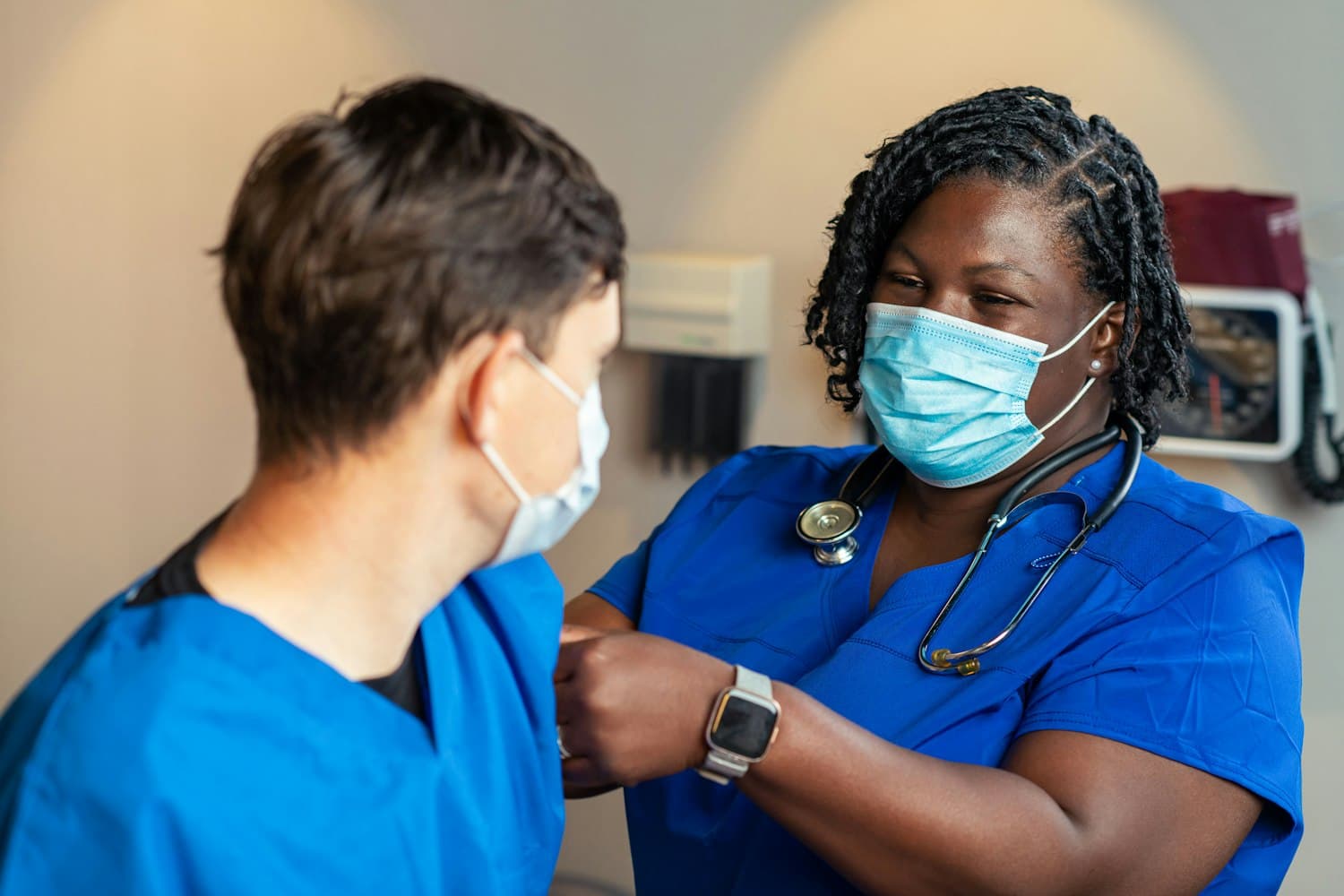
East LA Wellness Clinic
An FQHC-track community health center delivering integrated, whole-person primary care to a medically underserved East Los Angeles — a federally designated Health Professional Shortage Area (HPSA) and Medically Underserved Area (MUA).
The clinic brings the same wraparound philosophy indoors: behavioral health sits beside primary care, community health workers walk alongside patients, and no one is turned away for inability to pay.
- FQHC-track
- HPSA
- MUA
- Integrated care
Integrated services
Primary Care
Comprehensive primary care for an underserved, majority-Latino, uninsured and underinsured population.
Behavioral Health
Integrated and co-located with primary care — enabling warm hand-offs, same-day access, and stigma reduction through integration.
SUD / MAT
MAT access through referral partnerships today, with a clear pathway to direct services as clinic capacity grows.
Health Education & Prevention
Community-based programming designed to reduce chronic disease burden and unnecessary emergency-room utilization.
Case Management / CHWs
A promotoras model addressing transportation, housing, food security, insurance enrollment, and immigration-related fear of care.
Chronic Disease Management
Structured management targeting HbA1c control, blood-pressure control, and reduced emergency-department utilization.
Prescribe Your Future
A direct path from the neighborhood pharmacy counter to a pharmacy career.
Prescribe Your Future builds a direct pathway for inner-city youth into pharmacy careers — from a first exposure to a working pharmacy, through certification, to a guaranteed interview at a partner pharmacy. That guaranteed employer pipeline, spanning a partner network across California and Nevada, is the rare and fundable hook that sets this program apart.
- Step 1
Youth Pharmacy Exposure
Field trips, job-shadow days, and speaker sessions at partner pharmacies that introduce middle- and high-schoolers to pharmacy as a real, accessible career.
- Step 2
Pharmacy Clerk Apprenticeship
Paid, part-time entry roles (age 16+): register operations, insurance basics, inventory, and customer service. No certification required to start.
- Step 3
Pharmacy Technician Certification
Scholarship-funded PTCB exam prep and registration fees — plus a guaranteed interview at a partner pharmacy upon certification.
- Step 4
RPh Pipeline & Mentorship
Partnerships with Western University of Health Sciences, USC Mann School of Pharmacy, and California Northstate University for shadowing, application and personal-statement support, and mentorship from practicing pharmacists — many first-generation themselves.
- Step 5
Career Launch
Graduates step into a partner-pharmacy network spanning California and Nevada — completing the loop from neighborhood counter to licensed professional.
Wraparound Support · runs alongside every stage
Transportation stipends, uniforms and scrubs, study materials, and CHW-style case management clear the practical barriers — not just the academic ones — at every step of the journey.
Why this matters
Pharmacy is a high-need, well-paying career path that doesn’t require a four-year degree to start earning. A young person can step behind the counter at sixteen and build real income, real skills, and a real future — long before graduation.
And representation matters. Students in these neighborhoods rarely meet a pharmacist who looks like them or grew up where they did. Prescribe Your Future changes that — turning the local pharmacy into a visible, reachable destination.
Multilingual Medication Access
Future Hope Outreach Foundation serves patients across many languages and cultures every day. For refugee and immigrant families, the hardest part of staying healthy often isn’t the doctor’s visit — it’s everything that happens at the pharmacy counter afterward, in a language they don’t speak, for medications they can’t always afford.
That is exactly where our pharmacies already work. With grant funding, we help newcomers get the medications they need — with counseling in their own language, translated instructions, and assistance covering the cost for those who are uninsured or underinsured. We stay in our lane: medication access, done well, for the communities we already serve.
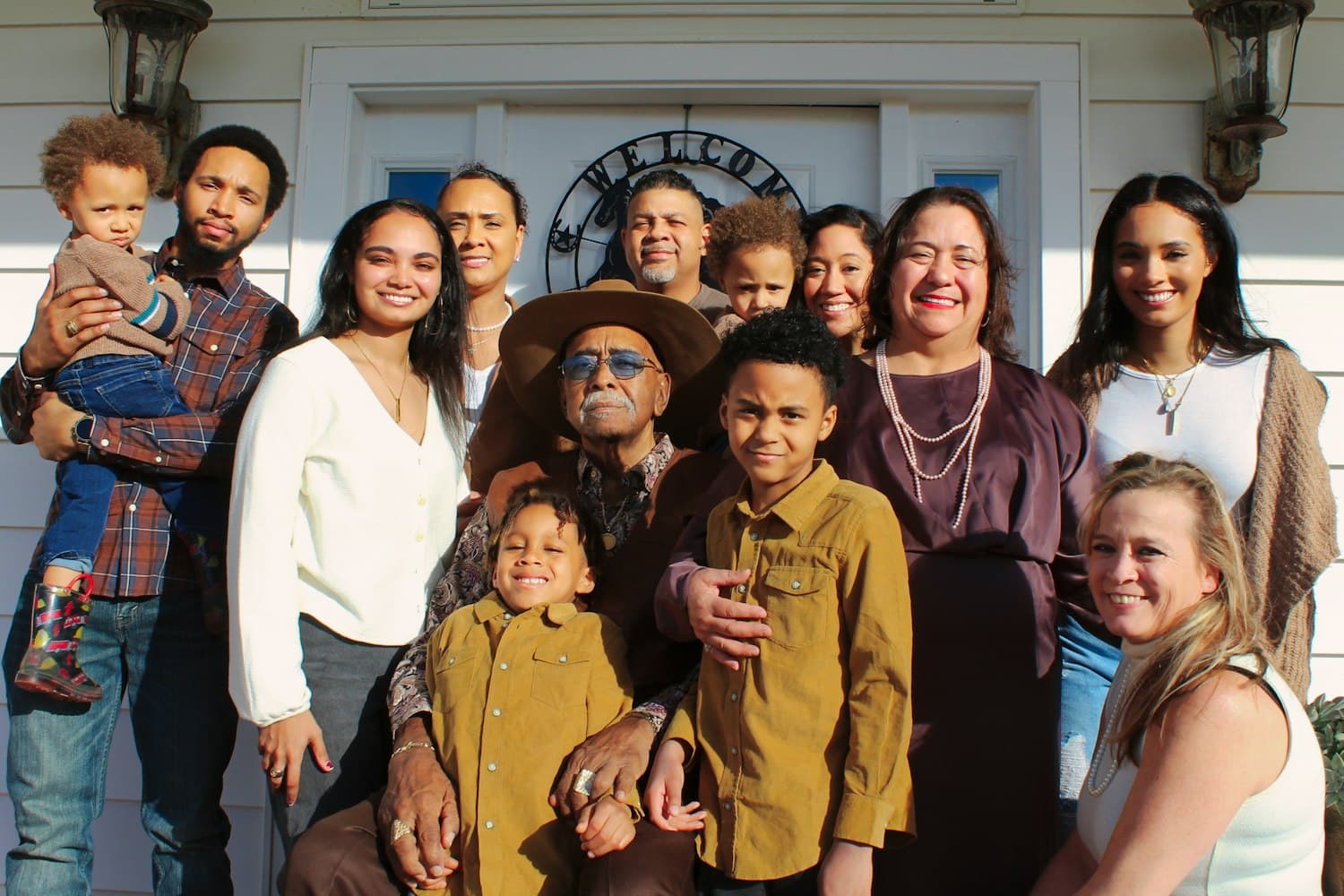
“Native-language medication counseling isn’t an add-on for us — it’s already how we work. Grant funding just lets us reach more of the newcomer families who need it.”
Medication access, in the patient’s own language
Grants let us do more of what our pharmacies are already built to do — closing the gap between a prescription written and a medication actually taken, for refugee and non-English-speaking families.
Language-Concordant Counseling
Pharmacists and staff who counsel patients about their medications in their own language — so newcomers understand what they are taking, why, and how.
Grant-Funded Medication Assistance
Using grant funding to cover the cost of prescriptions for refugee and immigrant families who are uninsured, underinsured, or simply cannot afford them.
Translated Labels & Instructions
Medication labels, dosing schedules, and safety instructions provided in each patient's preferred language to prevent dangerous misunderstandings.
Coverage & Enrollment Navigation
Help enrolling in Medi-Cal, manufacturer assistance, and prescription discount programs so medication access continues after grant dollars are spent.
Refill & Adherence Support
Reminders, check-ins, and follow-up that keep newcomers on their medications through the language and system barriers that usually cause care gaps.
Provider & Clinic Referrals
Connecting patients to partner clinics, prescribers, and community health workers when their needs reach beyond the pharmacy counter.